
When it comes to die casting, material selection isn’t just about strength or cost — it’s about performance, precision, and purpose. At VR Enterprises, we specialize in working with Zinc, Aluminium, and Rubber, each with its own unique casting techniques, tolerances, and applications. Mastering these materials requires a deep understanding of their behavior during the casting process — from flow characteristics to cooling rates and post-molding treatments.
Let’s dive deeper into what makes each material unique and why precision matters in its handling:

🔩 Zinc Die Casting
Miniature Precision, Maximum Complexity
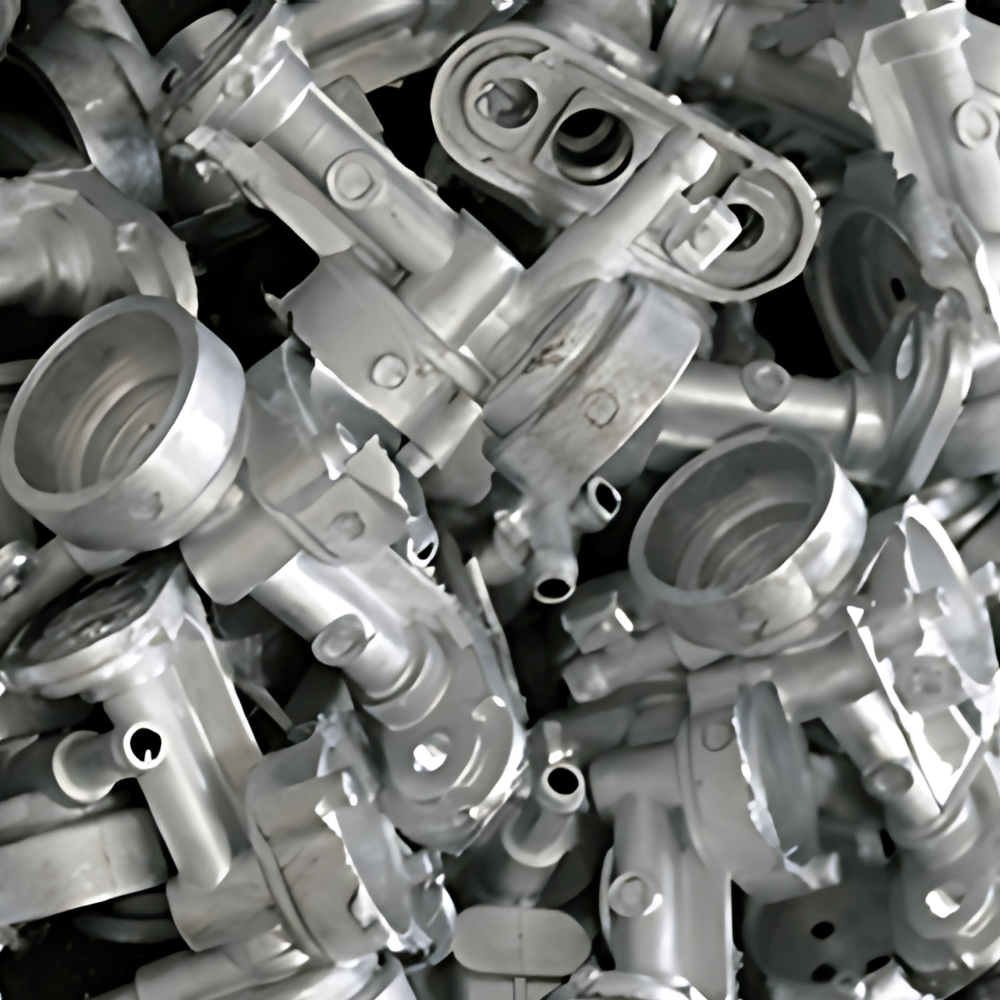
Zinc is a die caster’s dream when it comes to producing small, complex parts with fine details. Its excellent fluidity and low melting point allow molten zinc to flow into tight crevices of the mold, capturing even the most intricate shapes.
Why Zinc Requires Unique Precision:
-
Tight Tolerances: Zinc die castings can achieve tolerances as tight as ±0.025 mm, making them perfect for precision assemblies.
-
Surface Finish: Zinc provides a smooth surface finish, which reduces or eliminates the need for secondary machining or polishing — especially useful for visible parts like handles and bezels.
-
Strength and Ductility: Zinc offers a good balance of strength and ductility, but even minor deviations in temperature or mold design can affect mechanical performance.
-
Thin Wall Sections: The material allows for thin walls without sacrificing integrity, which is critical in compact electronic housings or micro-components.
Typical Applications:
-
Electrical connectors and terminals
-
Locks and latches
-
Decorative hardware
-
Gears, pulleys, and small mechanical linkages
At VR Enterprises, we apply high-precision mold design and quality control to consistently deliver complex zinc parts that meet exact specifications.
🛠️ Aluminium Die Casting
Lightweight Strength, Structural Excellence
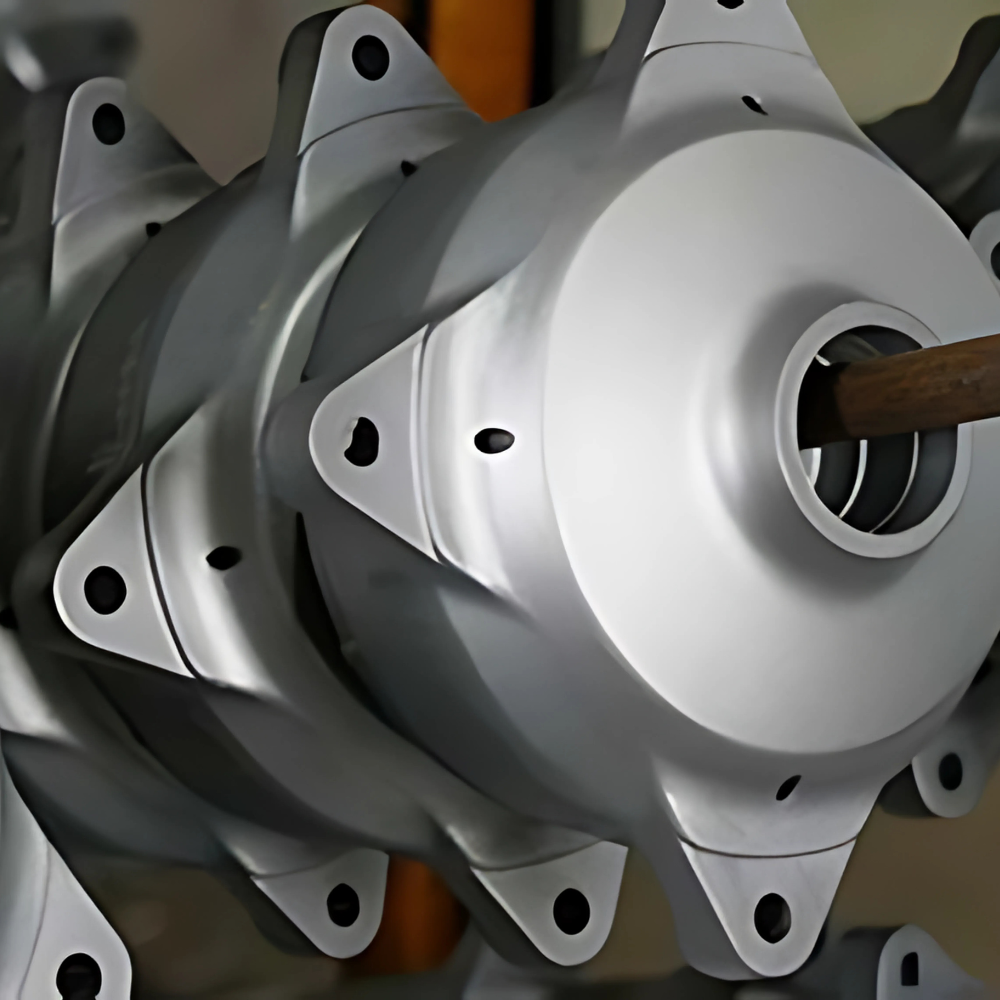
Aluminium is one of the most widely used materials in die casting due to its high strength-to-weight ratio. It is ideal for large, high-performance components where both structural integrity and reduced weight are essential.
Why Aluminium Requires Unique Precision:
-
Thermal Conductivity: Aluminium is often used in applications requiring heat dissipation (like LED housings or engine parts), and precision is key to ensuring proper cooling pathways.
-
Dimensional Accuracy: Shrinkage and porosity must be controlled carefully, especially in thick or complex shapes. High-precision tooling and pressure control are essential.
-
Mechanical Strength: The material’s mechanical properties depend on consistent composition and mold temperature. Variations can weaken critical components.
-
Corrosion Resistance: Aluminium must be cast with minimal defects to ensure optimal corrosion resistance, especially in marine or outdoor applications.
Typical Applications:
-
Engine blocks, covers, and housings
-
Industrial pump components
-
Automotive chassis parts and transmission casings
-
LED light enclosures and power tool bodies
At VR Enterprises, our aluminium die casting process is tailored to meet the specific needs of each component — ensuring every part is light, strong, and reliable under real-world conditions.
Leave A Comment