
One of the most critical decisions in any die casting project is selecting the right material. The performance, cost, durability, and application of the final component all hinge on the type of material used in casting.
At VR Enterprises, we specialize in three distinct yet highly versatile materials: Zinc, Aluminium, and Rubber. Each one offers unique benefits and is ideal for particular industries and use-cases.
Let’s break down the advantages, applications, and considerations for each material to help you make the best choice for your project.


🧩 1. Zinc Die Casting: Ideal for Intricate, Small Parts
Zinc is one of the most popular die casting materials due to its:
-
Excellent fluidity, allowing for highly detailed and thin-walled parts
-
Superior strength and hardness at room temperature
-
Cost-effectiveness for small-to-medium-sized runs
-
Low melting point, reducing energy consumption and tooling wear
✅ Best For:
-
Precision gears, locks, latches
-
Decorative hardware and handles
-
Electrical connectors and terminals
-
Consumer electronics components
Zinc die casting also allows for threading, surface texturing, and detailed branding directly in the mold. This reduces the need for post-processing and improves turnaround times.
⚠️ Considerations:
-
Not ideal for high-temperature applications
-
Heavier than aluminium
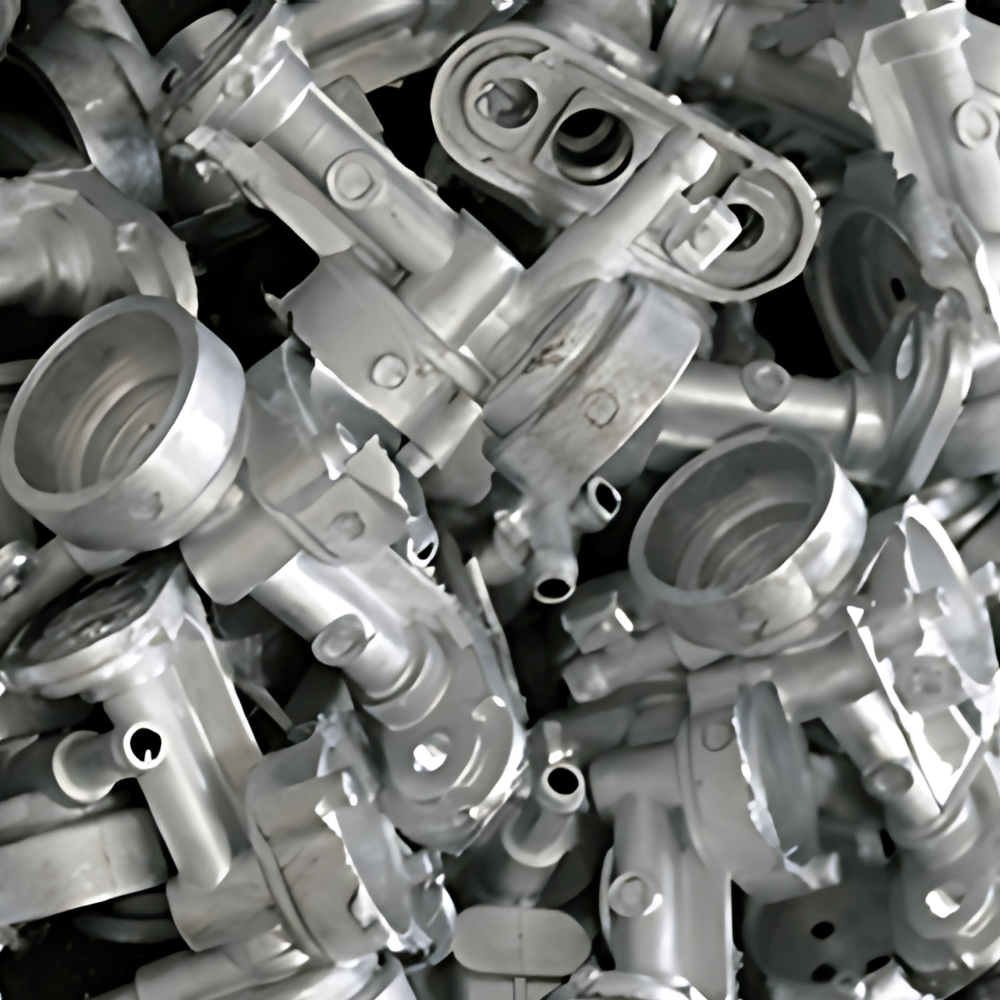
🛠️ 2. Aluminium Die Casting: Lightweight and Durable
Aluminium offers an excellent balance between strength, lightness, and corrosion resistance. It’s widely used in industries that require structural performance without adding too much weight.
🔧 Key Benefits:
-
High strength-to-weight ratio
-
Resistant to corrosion and oxidation
-
Excellent thermal and electrical conductivity
-
Easily recyclable, making it eco-friendly
✅ Best For:
-
Automotive components (engine brackets, housings)
-
Aerospace and defense parts
-
Industrial machinery enclosures
-
Heat sinks and electronic casings
At VR Enterprises, our aluminium casting processes are optimized for dimensional stability, even under thermal cycling or load-bearing conditions.
⚠️ Considerations:
-
Less fluid than zinc — not as ideal for ultra-fine features
-
Higher tooling and energy costs due to higher melting point
⚙️ 3. Rubber Moulding: Flexibility for Dynamic Applications
Rubber die casting — or more accurately, rubber moulding — is used where components must withstand:
-
Vibration, compression, and movement
-
Exposure to chemicals, moisture, and abrasion
-
Frequent deformation without losing shape
We use high-performance elastomers that are:
-
Flexible and durable under stress
-
Resistant to wear, tear, and chemicals
-
Ideal for noise and vibration dampening
✅ Best For:
-
Automotive bushings and mounts
-
Seals, gaskets, and O-rings
-
Industrial vibration isolators
-
Custom rubber grips and bumpers
Our rubber moulding techniques ensure each part is dimensionally consistent, even when produced in high volumes or unusual geometries.
⚠️ Considerations:
-
Limited to non-structural applications
-
Not suitable for high-precision rigid parts
Leave A Comment